Backseat Offroad Vehicle Roles Tier List
Five garage 4x4s ranked by playstyle—not fake brand names. Test each, then upgrade with low range, lockers, and kit.
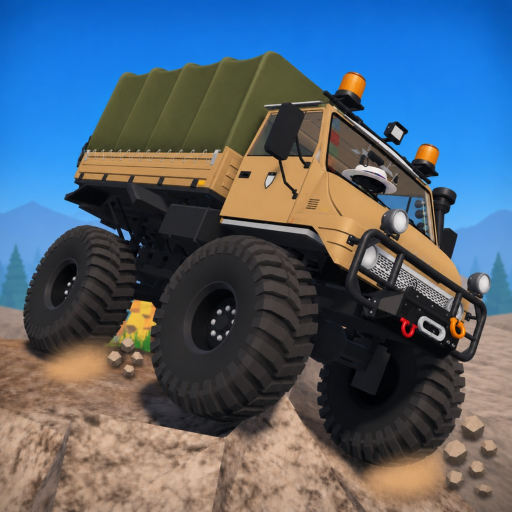
Backseat Offroad offers five old 4x4s in the garage. Exact on-screen model strings can change with patches, and fan sites love inventing brand names that are not authoritative. This tier list therefore ranks roles and archetypes you can feel in the first hour: which truck forgives mistakes, which likes rock, which tolerates mud and river work, which stays calmer on snow summit approaches, and which shines as a co-op recovery platform. Your job is to sit in all five, run the same lakeside loop, and map each chassis to a role below.
This is not a racing ELO chart. There is no timer. “S-tier” means “best at a job,” not “fastest around a track.” Do not confuse Offroad with Backseat Rally.
Before ranking, learn the shared toolkit in Getting Started, controls, climbing tips, and winch and recovery.
Ranking rules
We score each role on:
- Stability and tip forgiveness
- Low-range crawl manners (throttle predictability)
- Locker usefulness on that chassis’ flex
- Upgrade headroom (lift, snorkel, engine swap synergy)
- Co-op utility (anchor weight, camera visibility, friend-winch friendliness)
Stock rankings shift after upgrades. A tall lift can demote a formerly stable beginner truck on snow. An engine swap can promote a soft mud truck into a messy wheelspin machine if you do not recalibrate your foot. Always re-test after kit changes.
Role overview (the five archetypes)
Think of the garage as five playstyle kits you will personally label after testing:
- Rock-crawl specialist — short, deliberate, loves tire placement on boulders.
- Mud / river worker — happier in soft soil and water approaches, especially with a snorkel path.
- Snow summit hauler — calmer on slick grades and cold-side approaches toward alpine lines.
- Beginner forgiving daily — widest margin for throttle mistakes on lakeside teaching loops.
- Co-op support / recovery anchor — stable platform friends trust when cable tension rises.
Some 4x4s blur roles. That is fine. Dual-threat trucks exist; note them in your own list as “A in two categories” rather than forcing a single label.
Rock crawl tier thoughts
What “good” feels like: You can put tires on rock highs without constant belly hangs. Steering stays readable in low range. Lockers pull an unloaded wheel through without violent spins. A mild lift helps clearance, but extreme height starts tipping on off-camber shelves.
How to test: Pick a three-step boulder stair near the forest. Climb with lockers cycling on and off. If one garage truck needs fewer winches on the same line, it leads this role.
Upgrade note: Engine swaps are optional here; placement beats horsepower. If a swap makes throttle binary, demote the truck for rock work until you adapt.
Mud and river tier thoughts
What “good” feels like: Soft soil does not instantly trench all four tires. The truck accepts slow entries into shallow water. Snorkel synergy matters—if a build equips one cleanly and stays controllable midstream, it climbs this role.
How to test: Same muddy bank and same shallow crossing in each 4x4 with identical driver inputs. Count dig events and aborted crossings.
Upgrade note: Snorkels promote river grades; reckless lifts without traction discipline demote them. See water advice in climbing tips.
Snow summit tier thoughts
What “good” feels like: Early steering corrections catch slides. The chassis does not feel nervously tall on packed ruts. You can stop and restart mid-grade in low range without polishing ice under the tires.
How to test: A moderate light-colored or snowy pitch with a safe runoff. Climb, stop, restart, descend. Trucks that demand constant hero corrections rank lower for summit convoy duty.
Upgrade note: Tall lifts often hurt this role. Mild power with calm throttle manners often beats peak horsepower.
Beginner forgiving tier thoughts
What “good” feels like: New players recover from mid-corner throttle mistakes. Tip-overs are rarer on lakeside side hills. UI prompts feel manageable because you are not constantly resetting.
How to test: Hand the truck to a friend who has ten minutes in-game. Watch how often you need winch coaching.
Upgrade note: Keep early upgrades modest. A huge lift plus hot engine can kick a beginner truck out of this tier overnight.
Co-op support tier thoughts
What “good” feels like: Friends willingly hook to you. The truck holds on firm ground under load. Camera or body shape makes it easy for spotters to judge lean. You can stage two-step pulls without sliding into the stuck driver.
How to test: Run scripted recoveries from co-op drills: tree alternative pulls, bumper pulls, snow shelf anchors.
Upgrade note: Winch readiness and stability > cosmetics. A flashy cab that skates under load is a liability.
Suggested letter bands (role-relative)
Use letters per role, not one global grade:
- S — First pick for that job in a mixed garage night.
- A — Happy main if your favorite skin lives here.
- B — Fine with careful driving; bring a specialist friend for extremes.
- C — Teachable, but fight the chassis often.
- D — Wrong tool for that job (still usable elsewhere).
Example personal card after testing (illustrative only):
- Rock crawl: Truck feel #2 → S; #4 → A; others B/C
- Mud/river: Truck feel #5 → S with snorkel; #2 → B
- Snow summit: Truck feel #1 → S; lifted #3 → C
- Beginner: Truck feel #3 → S stock
- Co-op anchor: Truck feel #1 → S; light #4 → B
Replace numbers with whatever nicknames your group gives the five garage slots. Avoid publishing invented manufacturer names as wiki fact.
How upgrades rewrite the list
| Upgrade | Typical promotion | Typical demotion risk |
|---|---|---|
| Lift / suspension | Rock clearance | Snow tip-overs, co-op lean |
| Snorkel | River / lake access | None if you still crawl |
| Engine swap | Heavy mud with skill | Wheelspin digs, beginner hostility |
| Recovery focus | Co-op anchor | — |
After each upgrade, re-run a five-minute role test. Update your group notes. Check updates when patches tweak traction or winch forces.
Convoy composition tips
A strong four-player stack often looks like:
- Beginner-friendly scout on point for sightseeing and hidden places
- Rock specialist for boulder bottlenecks
- Snorkel-capable truck for lake side objectives
- Stable anchor truck at the rear for winches
In fuller servers approaching twenty players, redundant anchors beat five identical tall lifts.
Methodology honesty
This page will age with balance patches. It refuses fake official brand lists. It asks you to drive. When creators publish named tier lists, cross-check them against your own lakeside loop before you scrap a truck you enjoy.
For codes that may unlock related rewards, see codes. For the wider tier hub, return to tier list. Keep climbing skills sharp so “truck tier” never substitutes for line choice—the mountain still grades every driver the same.
Frequently Asked Questions
Quick answers for climbing, winching, and exploring the mountain.
What are the official names of the five 4x4s?
Use the names shown in your garage UI. This page ranks playstyle roles instead of inventing brand names that may be wrong or outdated.
Is there one best truck for everything?
No. Rank by role: rock crawl, mud and river, snow summit, beginner forgiveness, and co-op support. Upgrades can change those ranks.
Do lifts always make a truck better?
Lifts help clearance on rocks but raise tip risk on snow and during side winches. Re-test after every suspension change.
Should beginners buy engine swaps first?
Not usually. Learn low range, lockers, and winching first. Extra power without throttle control digs deeper ruts.
How should co-op groups pick trucks?
Mix roles: a stable winch anchor, a rock specialist, a snorkel-capable river truck, and a forgiving scout for hidden-place runs.