Backseat Offroad Finding Hidden Places
Viewpoints, cabins, alpine village clues, search patterns, canoe angles, and honest co-op discovery—no fake GPS pins.
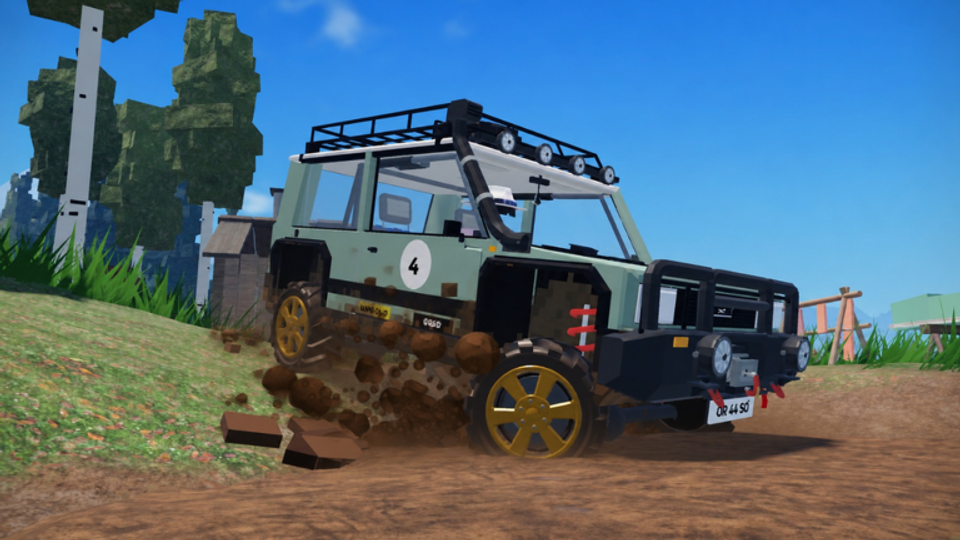
Backseat Offroad hides roughly one hundred places across the climb from lakeside forest to snowy summit: viewpoints, cabins, an alpine village, and quieter corners the community is still mapping. This guide teaches how to search—not a spoiler spreadsheet of invented coordinates. If someone claims exact GPS pins for every spot, treat it as unverified until you reproduce it in your own session. The fun is the hunt with friends in lobbies that can hold up to twenty players.
Warm up with Getting Started and bring climbing tips plus winch and recovery so a detour does not end your run. Multiplayer spotting habits deepen in the co-op guide.
What “hidden places” usually means here
Expect a mix of:
- Viewpoints — overlooks with clear sightlines across lake, forest canopy, or summit snow.
- Cabins and shelters — structures tucked off the main crawl line, sometimes near side trails.
- Alpine village — a denser built area higher on the mountain that rewards players who push past mid-elevation comfort zones.
- Oddities — canoe launches, quiet clearings, and other set-piece moments that do not always announce themselves with giant UI arrows.
Because the count sits near one hundred, no single drive will finish the list. Treat exploration as a season-long hobby, not a one-night checklist.
Search patterns that actually work
Contour crawling. Instead of always aiming straight uphill, pick an elevation band and drive laterally. Many cabins and overlooks sit on benches beside the “obvious” climb. When the main trail switchbacks, peek outward toward lake views and inward toward cliff bases.
Silhouette scanning. Stop often. Look for man-made edges against trees: rooflines, railings, straight shadows that nature rarely makes. Snow makes dark cabins easier to spot; summer-green forest hides them better, so slow down.
Dead-end honesty. Spur trails that look like mistakes sometimes end at viewpoints. If a spur clearly cliffs out with no winch anchor and no space to turn, reverse early—curiosity is good, respawn loops are not.
Return routes. Drive a ridge on the way up, then take a parallel drainage on the way down. You will see opposite hillsides that were invisible during the ascent.
Time-of-day and weather. Lighting changes reveal openings in trees. If the experience includes fog or snow weather, mark suspicious gaps and revisit in clearer conditions rather than forcing a whiteout bushwhack.
Co-op spotting
Split roles:
- Driver watches the immediate tire line.
- Spotter (passenger camera or on-foot friend) scans mid-distance for structures.
- Flanker takes a second 4x4 on a parallel path and calls discoveries without blocking the primary climb.
Callouts should be specific: “brown roof left of the twin pines,” not “something over there.” When a spot is found, one truck investigates while another holds a safe pull-off so the convoy does not stack on a blind crest. Voice chat helps; typed short pings work if voice is unavailable.
Do not park across the only exit of a cabin clearing. Hidden-place traffic gets busy after content creators post videos—leave room to turn around.
Canoe access ideas
A canoe is not a joke item in a lake-heavy lower map. Use it to:
- Scout shoreline caves, docks, or cabin approaches that tires cannot reach without a deep snorkel run.
- Check water depth before committing a 4x4 crossing on the way to a rumored spot.
- Rotate who paddles and who spots from shore so you cover both angles.
Canoe travel is slow by design. Bring patience, and have a friend keep a winch-ready truck near the put-in in case your return path is farther than expected. Snorkel-equipped builds still benefit from canoe intel; deep water and hidden places often overlap near the lake.
Alpine village approach mindset
The alpine village sits conceptually in the colder, higher band of the map. You do not need a fabricated street address to prepare:
- Arrive with recovery tools ready; snow approaches strand trucks beside scenic parks.
- Expect tighter lanes between buildings if you drive in—walk first when possible.
- Look for secondary paths behind the first photogenic street; community finds often sit one corner beyond the postcard view.
- Meet friends at a clear landmark outside the densest cluster so you do not gridlock doorways.
If a patch relocates props, re-verify with your group instead of trusting last month’s memory.
How to take community tips without getting misled
Creators will post hidden-place tours (including videos like the one embedded mid-article). Use them as directional hints:
- Match biomes and landmarks, not absolute “GPS” claims copied into chat.
- Note patch dates; Offroad can add or move content after the 2026-10-14 release.
- Reproduce finds in your own seed of exploration before adding them to a personal list.
- Avoid leaking unverified pin lists onto this wiki as fact—keep the wiki honest.
When in doubt, describe landmarks: “cabin above the second lake switchback near a fallen pale trunk” is more useful than a fake coordinate string.
Linking climbs to exploration
Hidden places sit behind the same skills as the main ascent:
- Low range and lockers for spur trails—see climbing tips.
- Winches for dead-end ditches beside cabins—see winch and recovery.
- Truck choice for terrain—see the vehicle tier list. A forgiving beginner 4x4 is great for long sightseeing loops; a snow-oriented setup helps village approaches.
Bring codes checks into your session start if rewards fund cosmetic or utility unlocks that make long explore days nicer, and watch updates for map notes.
Session templates
Lakeside evening (60–90 minutes). Contour the shore, canoe one cove, log any cabin or viewpoint with a short text note in your friend group.
Mid-mountain afternoon. Climb to a known ridge, then spend half the session on lateral spurs instead of elevation greed.
Summit weekend. Push snow lines with a full co-op stack, prioritize alpine village flanks, and accept that recovery time is part of the exploration budget.
Etiquette in popular spots
- Do not push AFK trucks off overlooks “for fun.”
- Share screenshots without harassing players who got there first.
- If a narrow viewpoint holds three cars already, wait below.
- Help flip strangers; you may need the same kindness one ridge later.
What this page will not do
It will not invent a numbered list of one hundred fake pins. It will not pretend every cabin location is permanently fixed forever. It will keep steering you toward skills, patterns, and co-op habits that still work when the map evolves.
Explore slowly. Look sideways. Paddle when tires cannot. Call clear landmarks. That is how Backseat Offroad’s hidden places stay a mountain mystery instead of a spreadsheet.
Frequently Asked Questions
Quick answers for climbing, winching, and exploring the mountain.
How many hidden places are there?
About one hundred across the map, including viewpoints, cabins, and an alpine village. Treat the number as approximate as the experience updates.
Can you give exact coordinates for every spot?
No. This guide teaches search patterns and landmark thinking. Community pins can be wrong or outdated—verify finds in your own sessions.
Does the canoe help with hidden places?
Yes. Use it to scout shoreline approaches, check depth before crossings, and reach angles that 4x4s cannot without risky water routes.
Should I hunt hidden places solo or with friends?
Both work, but co-op spotting is faster: one driver watches the trail while others scan for rooflines and overlooks.
Where is the alpine village?
Higher on the colder part of the climb toward the snowy summit. Prepare for snow traction and recovery gear rather than relying on a single chat pin.