Backseat Offroad Co-op and Friends Guide
Friend winching, convoy climbs, clear callouts, trail etiquette, flip recovery, and canoe buddy play for up to 20 players.
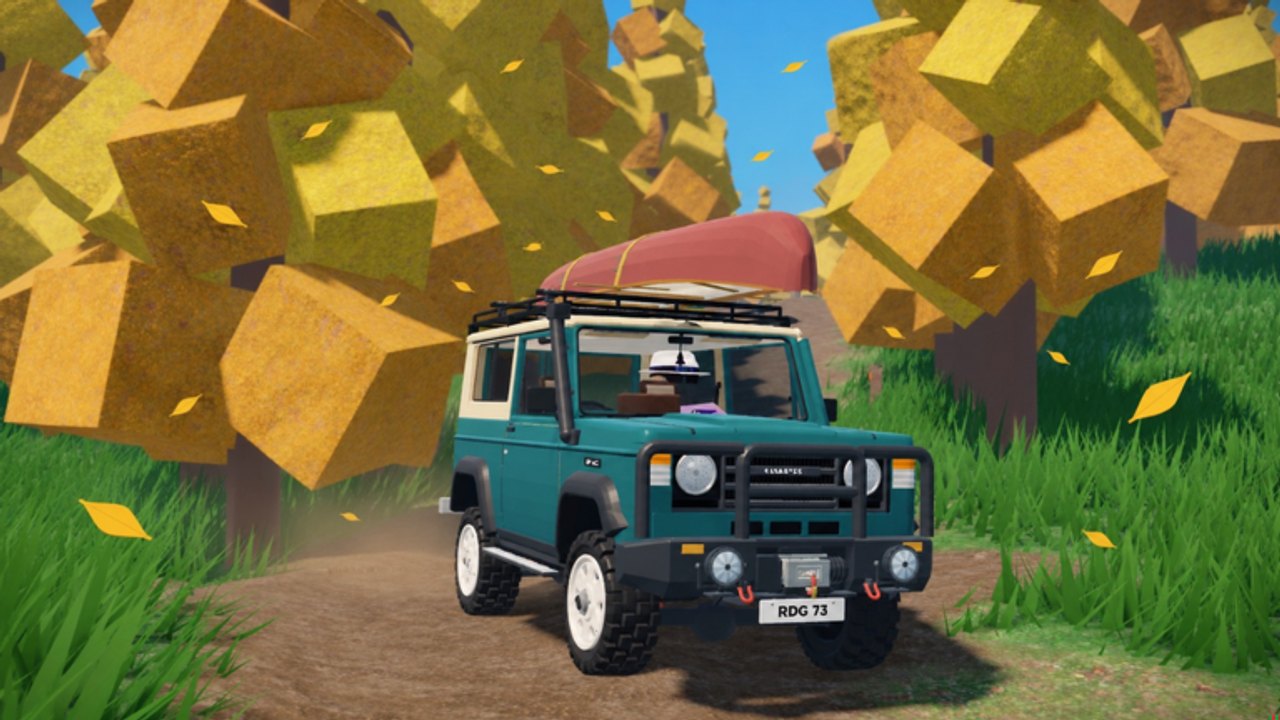
Backseat Offroad is built for friends. Servers can host up to twenty players, winches attach to ally 4x4s, and the mountain from lakeside forest to snowy summit is kinder when someone spots your blind side. This playbook covers friend winching, convoy climbing, callouts, trail etiquette, flip recovery, voice tips, and canoe buddy roles. Pair it with winch and recovery, climbing tips, and the vehicle tier list so your group brings the right tools—not five identical tippy lifts.
There is still no race timer. Co-op is about shared progress and shared laughs, not finishing first.
Forming a group
Invite from Roblox friends lists as soon as you finish the basics in Getting Started. Decide a soft roster:
- Lead driver — picks the main line and paces the convoy.
- Sweep / anchor — last truck, winch-ready, stable chassis.
- Scout — peels to spurs for hidden places without vanishing silently.
- Spotter — on foot or passenger cam at technical sections.
In larger lobbies, run two mini-convoys on radio channels or chat prefixes so twenty players are not arguing over one boulder.
Friend winching
Friend-to-friend pulls beat solo tree hunts on barren snow shelves.
- Stuck player calls the failure type (“belly on rock,” “dug to axles”).
- Anchor truck parks on firm ground ahead or aside—not in the same mud puddle.
- Both confirm low range; anchor considers lockers for the pull.
- Hook, tension slowly, stuck player adds only light assist throttle.
- Stop when free enough to reverse; stow cables before moving the convoy.
Never yank a friend who is mid-hook without a ready call. Sudden surges roll tall builds. Dual anchors are welcome on stubborn high-centers: one cable for rotation, one for forward escape—communicate so vectors do not fight.
Convoy climbing
Space matters more than speed.
- Leave room for a slide on snow approaches.
- One truck commits to a rock stair at a time; others wait on flat benches.
- Mirror the lead’s tire highs instead of inventing a parallel trench.
- If the lead winches, the whole line pauses—do not stack into their cable.
Leaders should announce gear intentions: “low range from here,” “lockers for the next shelf,” “snorkel crossing in two minutes.” Followers who need a different pace should say so early rather than disappearing mid-ridge.
Callouts that reduce chaos
Short, specific phrases work across voice and text:
- “Stopping—high center.”
- “Winch to my front bumper.”
- “Tree left, straight pull.”
- “Clear the shelf.”
- “On foot spotting.”
- “Canoe scouting the cove.”
- “Holding for photo, pull ahead.”
Avoid vague spam. If chat is noisy in a full server, prefix with group tags like [A] / [B] for mini-convoys.
Trail etiquette (do not block)
Popular lines near viewpoints, cabins, and the alpine village clog fast after content drops.
- Park off the traction line when AFK.
- Do not camp the only turnaround at a cabin.
- Yield downhill traffic when a shelf is one-lane if local custom suggests it—or at least talk it out.
- Help flip strangers when safe; karma returns on the summit.
- Skip grief pushes. Knocking people off overlooks ruins lobbies and is not “part of the crawl.”
Etiquette keeps twenty-player sessions playable. The mountain is hard enough.
Voice chat tips
- Push-to-talk if your house is loud; open mics bury callouts.
- Call before you throttle during a shared winch.
- Spotters speak landmarks, not feelings (“two meters left,” not “careful”).
- Mute music during technical pulls.
- If voice fails, fall back to the short text list above without rage quitting the climb.
Recovering flipped friends
Flips happen—especially after comedy climbs and ambitious lifts.
- Make sure the area is safe from rolling further.
- Decide upright via winch geometry vs a calm reset if the experience provides a faster fair option.
- Hook high points carefully; pulling the downhill side can fold the roll worse.
- Once upright, pause for locker/low-range checks before re-attacking the same mistake line.
- Swap drivers if someone is tilted (emotionally). Fresh thumbs save trucks.
Record funny fails if everyone consents, then actually apply the lesson from climbing tips.
Canoe buddy play
Canoes pair beautifully with 4x4 convoys on the lake:
- One buddy paddles to check depth and shoreline cabin approaches.
- One buddy stays with a snorkel-capable or winch-ready truck at the put-in.
- Rotate roles so everyone gets scenic paddles and wheel time.
- Use canoe intel to cancel bad crossings before a multi-truck pileup.
Hidden shoreline spots often reveal themselves first to paddlers—feed finds back to the convoy with landmark language, not fake GPS brags.
Role-based truck picks for groups
Borrow the archetype thinking from the vehicles tier list:
- Put your most stable garage 4x4 on sweep/anchor duty.
- Give the rock specialist the boulder choke points.
- Bring at least one snorkel plan for river objectives.
- Keep a forgiving truck for new friends learning controls.
Identical fashion convoys look cool in screenshots and suffer together on the first off-camber snow shelf.
Session plans
Teaching night. Lakeside only. Practice lockers, one tree winch, one friend winch, one shallow water abort.
Summit push. Full recovery kit, spaced convoy, weather patience, alpine village flanks if energy remains.
Explore night. Scout-heavy roster, canoe rotation, screenshot stops at viewpoints without blocking exits—see hidden places.
Check codes at session start and updates when traction or map props change.
Conflict resolution
People will disagree on lines. House rules that work:
- Lead’s line is default unless safety is questioned.
- Anyone can call a stop for a winch without being mocked.
- New players get the forgiving truck and mid-pack position, not sweep on night one.
- Take breaks after stacked fails; fatigue causes mean chat more than the game does.
Why co-op fits Backseat Offroad
Low range, lockers, winches, roughly one hundred hidden places, and a free Roblox mountain are more memorable when shared. A friend on the bumper cable turns a stuck story into a highlight. A canoe buddy turns a guessing crossing into a plan. Clear callouts turn a twenty-player lobby into something that still feels human.
Crawl together. Leave the trail better than you found it. Meet you at the next cabin light.
Frequently Asked Questions
Quick answers for climbing, winching, and exploring the mountain.
How many players can join a Backseat Offroad session?
Servers can host up to twenty players. Form mini-convoys with clear callout tags if the lobby is full.
What is the most important co-op skill?
Calm friend winching with clear callouts—who hooks, who throttles, and when to stop—plus not blocking one-lane trails.
How do we stop people from stacking on climbs?
One truck on a rock stair at a time, wait on flat benches, and pause the whole line when someone deploys a winch.
Should we use voice chat?
Voice helps for timing pulls, but short text callouts work too. Prefer push-to-talk so open mics do not bury warnings.
What does a canoe buddy do?
Scout shoreline depth and hidden approaches while a partner waits with a winch-ready or snorkel-capable 4x4 at the put-in.