Getting Started in Backseat Offroad
Your first hour on the mountain: garage, drivetrain basics, lakeside practice, and co-op invites.
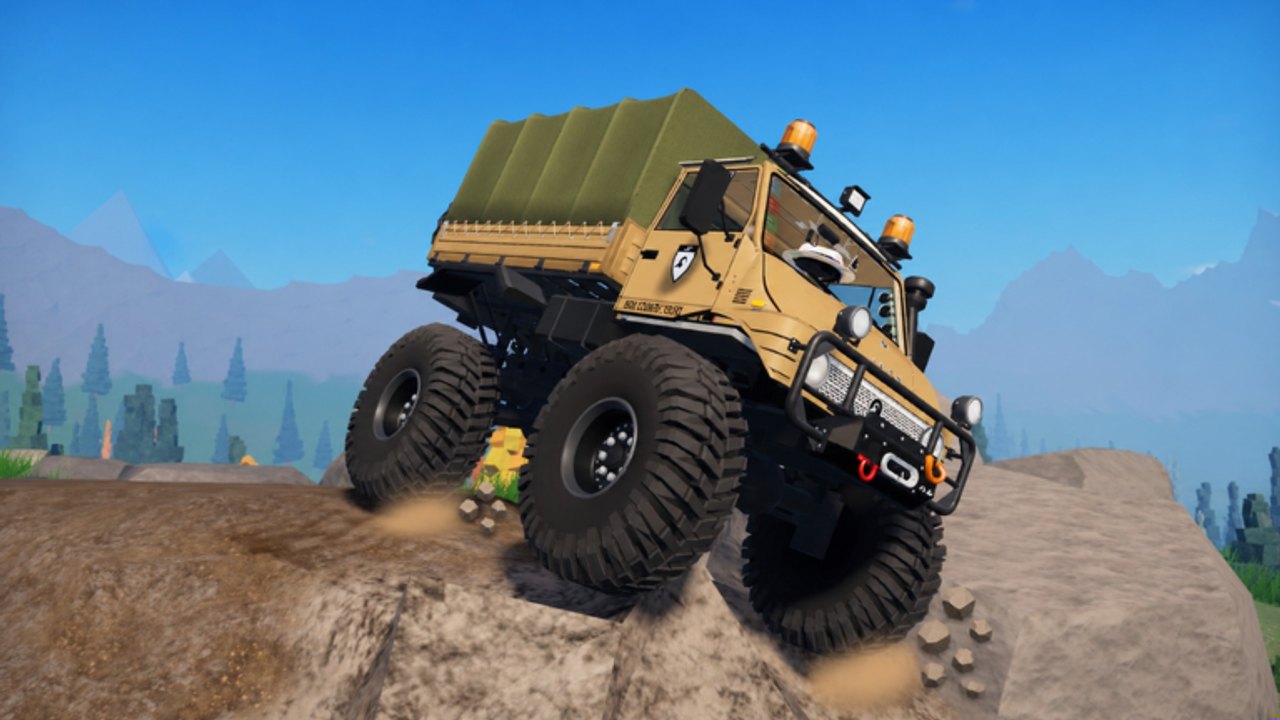
Backseat Offroad is a free Roblox mountain crawl from No crash plez—not a timed race. There is no countdown clock and no rally stage. You pick one of five old 4x4s, engage low range and differential lockers when the trail demands it, and work your way from a lakeside forest toward a snowy summit while hunting roughly one hundred hidden places. Sessions feel best with friends (servers can host up to twenty players), because winches, spotters, and convoy lines turn tough climbs into teamwork instead of solo rage quits.
This page is the first-hour checklist. Use it once, then branch into deeper guides for controls, winch and recovery, climbing tips, hidden places, and the vehicle tier list. Keep codes bookmarked if the studio drops redeemable rewards.
Join the experience and open the garage
Launch Backseat Offroad from Roblox, wait for the map to stream in, and head to the garage or spawn area where the five 4x4s live. Treat the garage like a test track, not a fashion show. Sit in each truck for a short loop so you feel steering weight, ride height, and how quickly power comes on. Exact model names can shift in UI text over time, so rank them by feel: which one forgives mistakes, which one wants careful tire placement, which one likes mud or water more than rock.
Do not rush straight to the summit on attempt one. The vertical route packs snow, steeper pitches, and fewer bailout lines. The lakeside forest teaches throttle control, approach angles, and winch habits with softer consequences.
Learn the two systems that matter most
Backseat Offroad rewards drivetrain literacy more than raw speed.
Low range multiplies torque at the cost of road speed. Engage it before a steep rock stair, a muddy bank, or a snowy shelf—not after you are already spinning. If you leave it in high range and mash throttle, you dig holes, overshoot ledges, and flip more often.
Differential lockers force left and right wheels on an axle to turn together. That helps when one tire hangs in the air or sits on ice while the other has grip. Lock when you need every tire to pull; unlock when you need to turn tightly on firmer ground so you do not scrub or understeer into a tree.
Spend ten quiet minutes toggling these systems on an easy trail. Watch how the truck behaves with lockers on versus off, and with low range engaged versus not. That muscle memory pays off more than any cosmetic upgrade.
First-hour trail plan
- Warm up lakeside. Follow shoreline and forest paths. Practice gentle climbs, short descents, and parking on slopes without rolling.
- Get stuck on purpose once. Find a soft patch or a shallow ditch and deploy the winch to a solid tree. Learn the attach, tension, and release rhythm before you need it in panic. Details live in the winch and recovery guide.
- Cross shallow water carefully. If your build has a snorkel, treat it as permission to crawl—not to floor it through unknown depth. If you do not have one yet, scout edges and reverse early.
- Touch one mid-mountain spur. After the lake feels comfortable, take a moderate climb toward higher elevations. Stop often. Look for cabins, viewpoints, and side paths that might hide collectible spots.
- Turn around before the hard snow. Your first hour should end with confidence, not a flipped cab on the summit approach.
Invite friends early
Co-op is not an endgame unlock—it is the default fun mode. Invite a friend as soon as you understand basic movement. One player can spot from outside the cab while the other drives. Winching bumper-to-bumper beats solo tree pulls when there are no solid anchors nearby. Keep spacing so nobody blocks the only clean line on a narrow shelf. For etiquette, callouts, and canoe buddy play, read the co-op guide.
Voice chat helps, but typed callouts work too: “locker on,” “winch left tree,” “stop—you are high-centered,” “back two meters.” Clear language prevents accidental throttle when someone is hooking cable.
Upgrades that change the first week
Expect to meet lifts, snorkels, engine swaps, and recovery gear as you explore. Prioritize function over looks:
- Lift / suspension changes help clear rocks but raise the center of gravity. Climb slower after a tall lift until you relearn tip points.
- Snorkels matter for deeper crossings near the lake and river lines.
- Engine swaps alter how much throttle you need in low range. More power without better tire discipline just digs deeper ruts.
- Winch readiness is non-negotiable. A pretty truck that cannot self-recover will stall your session.
When you are ready to compare the five garage 4x4s by role—rock crawl, mud and river, snow summit, beginner forgiveness, co-op support—open the vehicles tier list and test each archetype yourself.
Controls and platform notes
Roblox keybinds differ across PC, mobile, and console. Treat any control chart as a starting hint, then open in-game Settings and confirm drive, camera, winch, and locker binds for your device. Our controls guide walks through typical vehicle inputs plus game-specific systems so you know what to look for.
Exploration mindset
The map hides about one hundred places: viewpoints, cabins, an alpine village, and other quiet corners. Do not expect a GPS pin list on day one. Drive slowly, look uphill for silhouettes, and use co-op spotting. A canoe can open shoreline angles that tires cannot reach. When you want a structured search method, jump to hidden places.
Common first-hour mistakes
- Flooring it in high range on wet roots or snow.
- Leaving lockers engaged during tight forest turns.
- Winching from a bad angle that pulls the truck sideways into a stump.
- Blocking a one-lane climb while AFK in chat.
- Confusing this game with Backseat Rally—the sister title is about racing; Offroad is a crawl with recovery tools and no timer pressure.
What to open next
After your first solid lakeside loop, deepen skills in this order: controls → climbing tips → winch and recovery → hidden places → vehicle roles → co-op playbook. Check codes whenever you rejoin after an update, and skim updates for patch notes that change traction, winches, or map access.
Play patient. Low range, smart lockers, clean winch angles, and a friend on the radio will get you farther up the mountain than raw horsepower ever will.
Frequently Asked Questions
Quick answers for climbing, winching, and exploring the mountain.
Is Backseat Offroad a racing game with a timer?
No. It is an open mountain crawl with low range, diff lockers, and winches. There is no race clock—do not confuse it with Backseat Rally from the same studio.
How many 4x4s can I choose from?
There are five old garage 4x4s. Test each for feel rather than chasing a single “best” truck on day one.
Should I drive to the snowy summit in my first hour?
Practice lakeside forest trails first. Learn low range, lockers, and winching on gentler terrain before the steep snow approaches.
How many friends can join a session?
Co-op supports groups in servers that can host up to twenty players. Invite early so you can share winches and spotting.
Where do I learn winching and climbing in more detail?
Read the winch and recovery guide and the climbing tips guide linked from this page, then practice on a short lakeside loop.