Backseat Offroad Controls
Typical Roblox vehicle inputs plus low range, lockers, winch, and water-awareness systems—always confirm in Settings.
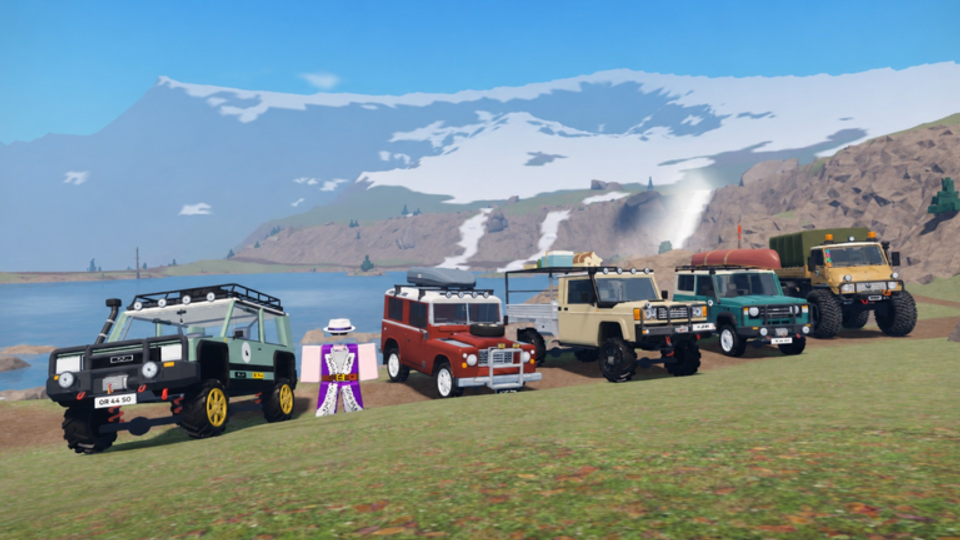
Driving in Backseat Offroad feels different from arcade racers because the fantasy is torque, traction, and recovery—not lap times. Before you memorize any chart on this page, open the in-game Settings menu on your device. Roblox experiences often remap binds across PC keyboard, mobile touch, and console pads, and studio patches can shuffle defaults. Treat everything below as a checklist of systems to locate, not a guarantee of a single universal key.
If you are brand new, pair this page with Getting Started. When you start flipping or high-centering, jump to winch and recovery and climbing tips.
Core vehicle movement (typical Roblox patterns)
On many Roblox vehicle games, PC players steer and throttle with WASD or arrow keys, use a brake or handbrake bind when provided, and look around with the mouse. Mobile players usually see on-screen sticks or buttons for steer, throttle, and brake. Console players map the same ideas to the left stick and triggers.
Regardless of platform, practice these habits in an open lakeside clearing:
- Feather throttle instead of holding full power in loose dirt or snow.
- Steer early for approach angles; late snappy turns scrub tires against rocks.
- Come to a complete stop before toggling major drivetrain modes if the UI feels delayed.
- Re-center the camera before committing to a blind crest so you can see the fall line.
If camera sensitivity feels too twitchy for precise boulder lines, lower it in Settings. Offroad work rewards slow look adjustments more than flick shots.
Low range
Low range is the heart of Backseat Offroad. Engaging it multiplies torque so the 4x4 can crawl up rock shelves and through mud without needing dangerous wheel speed. Find the low-range control in your on-screen prompts or Settings list, then practice this loop:
- Stop on firm ground.
- Shift into low range.
- Climb a short pitch with gentle throttle.
- Shift back out when you return to flatter forest road.
Leaving low range on during long flat stretches is rarely catastrophic, but it can make the truck feel sluggish and tempt you to over-rev when you finally need speed for a small momentum move. The opposite mistake is worse: attacking a steep wet climb in high range, spinning all four tires, and digging a trench you must winch out of.
Differential lockers
Diff lockers force wheels on an axle to rotate together so a tire with grip can drag along a tire that is airborne or on ice. Learn where the locker toggle lives for front, rear, or combined setups if the game exposes multiple options.
Use lockers when:
- One side of the truck is unloaded on a cross-axle rock.
- Snow or mud leaves a single tire with all the traction.
- You need a straight, committed pull up a stair-step ledge.
Ease off lockers when:
- You need a tight turning radius between trees.
- You are on high-grip packed dirt and the truck understeers.
- You are lining up a precise tire placement and lockers push you wide.
A clean habit is “lock for the obstacle, unlock for the corner.” Call that out in co-op so your spotter knows why you paused.
Winch deploy and release
Winching is a first-class control, not a panic menu. Locate deploy, aim or attach, tension, and release actions. Practice on a harmless ditch near spawn:
- Aim at a solid tree trunk or a friend’s recovery point—not brush that will visually “attach” then fail under load.
- Keep the cable as straight as practical; severe side pulls roll trucks.
- Ease into tension. Sudden full throttle against a short cable can pop you sideways.
- Release and stow when free so you do not drag a live cable into another player’s path.
Deep technique, angles, and friend-to-friend pulls are covered in the winch and recovery guide. Comedy fails happen—use them as lessons, then reset calmly.
Snorkels, water, and throttle discipline
If your 4x4 has a snorkel upgrade, it expands how deep you can crawl, but it does not delete physics. Water crossings still punish high wheel speed and bad entry angles. Before a lake or river attempt:
- Confirm you actually equipped the snorkel build you think you did.
- Enter slowly in low range.
- Watch for unseen drop-offs; reverse early if the hood starts diving.
- Avoid roosting water into your own windshield line of sight mid-crossing.
Without a snorkel, treat deeper channels as scout-only: walk the edge on foot if the experience allows, or send a canoe buddy to check depth while you wait on shore. See climbing tips for how water lines fit into broader route planning.
Lift, suspension, and tip awareness
Some upgrades raise ride height or change suspension travel. After any lift-related change, relearn your tip point on a mild side hill before you tackle off-camber summit trails. Controls do not change, but the truck’s response to the same steering input does. If the cab feels taller and tippier, slow down and keep lockers decisions deliberate.
Engine swaps similarly change how much pedal travel you need. After a swap, spend five minutes in a flat gravel loop recalibrating throttle foot before you climb.
Platform-specific advice
PC: Keyboard driving is precise once you feather keys. If you own a controller, try it for smoother analog throttle on snow. Keep Settings open in a second thought so you can rebind winch or locker keys away from camera binds that conflict.
Mobile: Touch throttles are easy to mash. Use shorter presses, enable any precision or assist options the game offers, and consider a clip-on controller if you climb seriously. Keep thumbs free for winch UI—do not bury critical buttons under chat.
Console: Analog triggers shine for crawl work. Map winch and locker actions to buttons you can hit without taking your thumbs off the stick if the Settings menu allows customization.
Accessibility and comfort
Reduce motion or camera shake options if available. Offroad sessions last longer than short races; comfort settings keep you sharp for careful tire placement. Increase UI scale on mobile so winch prompts remain readable in bright snow.
Practice drill (ten minutes)
- Flat figure-eight in high range to feel steering.
- Same loop in low range to feel torque.
- Cross-axle rock with lockers off, then on.
- One tree winch from a shallow ditch.
- One shallow water approach and reverse.
Finish the drill, then take a real forest trail. When you are ready to compare which of the five 4x4s suits your control style, open the vehicle tier list. For multiplayer binds etiquette—who hooks first, who spots—read the co-op guide.
Troubleshooting “nothing happens” moments
- Confirm you are seated in the driver seat, not a passenger camera.
- Check that the prompt you pressed matches the mode (winch vs locker vs low range).
- Look for on-screen error toasts if the winch has no valid target.
- Re-open Settings after a game update; binds can reset.
- If chat focus stole keyboard input on PC, click back into the world.
Mastering controls is less about memorizing letters and more about knowing which system to touch before the terrain touches you. Slow inputs, correct range, timely lockers, and a ready winch will carry every later guide on this wiki.
Frequently Asked Questions
Quick answers for climbing, winching, and exploring the mountain.
Are the keybinds the same on PC, mobile, and console?
Not always. Roblox and the experience can remap controls per platform. Check in-game Settings on your device and treat any guide chart as a starting checklist.
When should I use low range?
Engage low range before steep rocks, mud, or snow climbs so you have torque without spinning tires. Shift out on long easy flats if the truck feels too slow.
Do I leave diff lockers on all the time?
No. Lock for obstacles that unload a tire or kill traction, then unlock for tight turns on firmer ground so you do not understeer into trees.
Where is the winch control?
Find deploy, attach, tension, and release in your on-screen prompts or Settings. Practice on a safe ditch near spawn before you need it on a cliff.
Does a snorkel change the controls?
It does not replace careful throttle. A snorkel helps with deeper water, but you still enter slowly in low range and reverse early if the nose dives.